Tana Mongeau
TitsCoin Pump and Dump
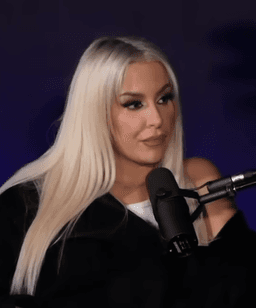
Tana Mongeau had already demonstrated a pattern of overpromising and underdelivering before she entered the crypto space. Her 2018 TanaCon event, organized as an alternative to VidCon, ended in disaster when thousands of ticket holders were left stranded outside in extreme heat and the event was canceled on its first day. When Mongeau turned to cryptocurrency promotion during the 2021 bull market, the underlying dynamic was familiar: leverage a large platform to generate hype, collect the benefits, and leave the audience to deal with the fallout.
TitsCoin was the most prominent of Mongeau's crypto promotions. The token leaned into provocative branding, using her social media persona to drive viral interest. Mongeau promoted the token to her millions of followers across platforms, presenting it as an exciting opportunity. The token attracted buyers drawn by her celebrity endorsement and the memecoin frenzy of 2021. After the initial promotional spike, the token's value collapsed, and on-chain analysis suggested that insiders sold their holdings during the peak of the promotional campaign.
The TitsCoin episode was part of a broader wave of celebrities promoting cryptocurrency tokens to their audiences during 2021. What distinguished these promotions from traditional celebrity endorsements was the financial stakes and the lack of accountability. When a celebrity endorses a sneaker, the buyer gets a sneaker. When a celebrity promotes a cryptocurrency token, the buyer gets a speculative asset whose value is driven primarily by the promotional activity itself. Once the promotion ends, the buying pressure evaporates, and the price follows.
Mongeau's promotions were part of a broader wave of celebrity cryptocurrency endorsements during the 2021 bull market. Critics argued that audiences were not adequately informed of the financial risks or of whether the promoting celebrities held positions in the tokens they were endorsing. Mongeau did not address the TitsCoin collapse in detail. No regulatory action was taken against her in connection with these promotions.