Simone Giertz
Queen of Shitty Robots Turned Real Inventor
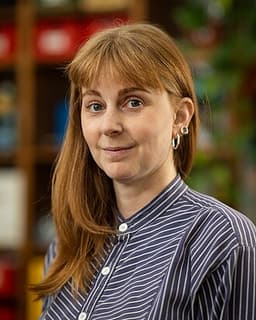
Simone Giertz is a Swedish inventor and content creator who built her following by producing deliberately non-functional robots — automated breakfast helmets, lipstick applicators, and similar devices designed to fail humorously. She self-branded as the "Queen of Shitty Robots" and used the format to communicate ideas about the creative process and the value of making things even when the result is imperfect. She launched her YouTube channel in 2014 and grew it to several million subscribers through this format.
In 2018, she was diagnosed with a benign brain tumor and underwent surgery, an experience she documented publicly and transparently. Following her recovery, her content shifted in direction. She began undertaking more technically ambitious projects, including Truckla — the conversion of a Tesla Model 3 into a pickup truck, completed in 2019, which attracted significant media coverage in the context of Tesla's then-unannounced pickup truck project. She also founded Yetch, a product design company that has produced consumer products including the Every Day Calendar, a physical habit-tracking board with LED toggle switches.
Her work spans comedy robotics, maker culture, and product design — areas that require different skill sets, and her development across them has been visible to her audience over the course of the channel's history. She has appeared in television programming in Sweden and internationally. Her communication style is irreverent and personal, and her willingness to document both the process and the failures of her projects has been a consistent element of her appeal to audiences in the maker and engineering communities.
As both a content creator and a product designer through Yetch, she operates in two commercial contexts simultaneously, with the channel providing audience for product launches and the products providing content for the channel. She has been transparent about this relationship.