Peter Attia
Longevity Medicine Pioneer
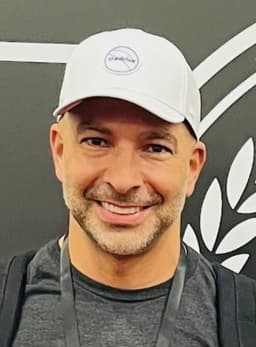
Peter Attia is a physician who trained in surgery at Johns Hopkins and subsequently completed a surgical oncology fellowship, before departing clinical surgery to focus on what he calls preventive medicine and longevity. He hosts The Drive, a long-form podcast covering healthspan, metabolic health, cancer, neurodegenerative disease, and exercise physiology, primarily through extended interviews with researchers. He published "Outlive: The Science and Art of Longevity" in 2023, which became a New York Times bestseller. His clinic, Early Medical, practices what he terms "Medicine 3.0" — an approach emphasizing early screening and preventive intervention for chronic disease.
His podcast episodes typically run over two hours and include detailed technical discussions with researchers and clinicians across multiple medical disciplines. Attia has been public about revising his positions on specific protocols — including extended fasting and ketogenic diets — as his interpretation of the evidence has changed. This kind of public updating is relatively uncommon among health influencers and has been noted positively by some physicians who follow his work.
Critics of Attia's framework, including some preventive medicine physicians, have noted that elements of "Medicine 3.0" involve screening and interventions that are not yet supported by randomized controlled trial evidence of benefit, and that the aggressive screening posture he advocates carries the risk of overdiagnosis, overtreatment, and health anxiety. His book has been criticized by some physicians and science journalists for presenting speculative preventive strategies with more confidence than the evidence base fully supports. The longevity field itself contains significant scientific uncertainty, and practitioners differ on how aggressively to translate mechanistic research into clinical protocols.
Attia has financial relationships with supplement brands and other health-related products, which he discloses. His podcast accepts sponsorships from health and wellness companies. His audience includes both general health-conscious individuals and medical professionals, and the podcast has become a significant reference point for discussions of preventive medicine and healthspan among that community.