Andrej Karpathy
AI Researcher, Former OpenAI and Tesla Executive, and Educator
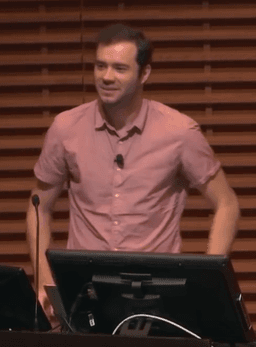
Andrej Karpathy is a computer scientist specializing in deep learning and artificial intelligence. He completed his PhD at Stanford University, where his thesis work on visual representations contributed to foundational research in computer vision. He was among the founding team at OpenAI, departed to become the founding head of AI at Tesla's Autopilot division, later returned to OpenAI, and then left again in 2023 to work on independent projects including Eureka Labs, an AI education startup.
His "Neural Networks: Zero to Hero" lecture series on YouTube takes a ground-up approach, implementing neural networks in raw Python without relying on deep learning frameworks. The series covers backpropagation, language models, and attention mechanisms, and has been widely cited as among the clearest available explanations of how modern AI systems are built. Related open-source projects including micrograd, nanoGPT, and minbpe have been adopted by educators and students worldwide.
Karpathy has been publicly supportive of OpenAI and related organizations, and given his deep involvement with several of the most powerful AI labs, some researchers have noted that his public commentary on AI safety, timelines, and policy tends to reflect positions aligned with his professional networks. His decision to work inside large AI companies rather than independent research institutions is a choice some AI safety advocates view with mixed feelings, though Karpathy has engaged publicly with safety concerns.
His blog posts and social media commentary are widely read in technical AI circles. He has been open about aspects of his working style and thinking process, which has contributed to his reputation as a transparent communicator by the standards of the AI research community.